What Is Insomnia, Really? (Insomnia vs. Sleep Disruption)

This might seem like an obvious question, but in my view understanding what insomnia actually is on the inside and differentiating it from garden variety sleep disruption is crucial to learning how to approach recovery.
You’ve probably heard of the standard clinical definition: difficulty falling asleep, staying asleep, or waking up too early at least 3 nights a week for 3 months or more.
It makes sense, because sleep is what was there before insomnia, and what feels elusive or almost absent now. But, this kind of definition is just looking at the very tip of the proverbial iceberg - there’s a whole lot going on under the surface.
Insomnia Vs. Sleep Disruption
Sleep Disruption
Just like emotions, we can’t control sleep. Sleep disruption is a normal part of life. Just as we can’t control our emotions, or thoughts, we can’t control our sleep. A myriad of small and big factors can impact sleep in anyone: a major move, travel, a new job, a new relationship, a breakup, a loss, a new medication, hormonal changes such as with menopause or fluctuations during a menstrual cycle, pregnancy, injury, etc. Even as I type this, having been recovered for several years now, I have gone through countless disrupted nights because of getting sick, being super excited for the next day, travel, etc. It is simply part of the human experience.
With emotions, it’s similar. It’s normal to feel a myriad of emotions in a single day. We can normalize and validate them when we understand where they’re coming from, and feel them. When we’re able to do this, they don’t stick around too long.
Insomnia
Insomnia isn’t just disrupted sleep. It’s a culmination of nights and days preoccupied with worrying about sleep until your brain and body are hypervigilant for any further threats to your sleep. Your brain and body remember all the nights spent struggling, and following days of exhaustion and anxiety.
Once the brain has enough data, it becomes a pattern. Our brains are built for survival, so they are designed to problem solve and often great at pattern recognition. They registered disrupted sleep as a threat, therefore bad. As soon as that happens, we’ve moved from disrupted sleep to insomnia.
Now, the sleep isn’t just disrupted, there’s struggle that goes along with it. A cascade of worries preoccupies the mind: what if i’m so exhausted tomorrow I can’t function? How am I going to attend that event? How will I perform at work? How will I show up for my family? What if this never gets better? What if my brain is broken? What if I’m the exception?
So what’s the difference? Well, our nervous system has become heightened to the experience of disrupted sleep such that it sees it as a threat. Our brain, along for the ride, makes a lot of meaning out of this disruption. It creates stories that further feed into the fear. After all, if your brain is broken (it’s not!), then it’s a hopeless situation.
If the insomnia has been going on for years, like it did for myself, then you have a whole storage room worth of data for your brain to shuffle through. It might even become a part of your identity: ‘I’m an insomniac.’
Then, we change our behaviours often as a way to fix the problem. We try hard to fix our sleep - every remedy under the sun. Or maybe it’s more subtle - we think: I have to be calm and happy in order to sleep (you don’t). We leave social events early so we can ‘get ready’ for sleep, or avoid them altogether. We calculate the mg of caffeine we drink even when our pre-insomnia selves drank coffee without a second thought. We alter our exercise routine - maybe we stop altogether or amp it up in an effort to tire ourselves out.
It’s a very human response. There is something our brain attaches all this struggle to and it wants to fix it. We’re just doing what we think is right, and how we’re conditioned to view the issue. The sleep industry, after all, is a multi-billion dollar industry. When we’re not inundated with new gadgets, supplements, or sleep hacks, we’re googling the thing that might help us, even a little bit.

The Historical Is Hysterical
Earlier I compared how we relate to emotions to how we relate to sleep. If we don’t have a story attached to them, we can acknowledge it, validate it and normalize it, feel it, and let it through. But, a lot of people struggle with feeling their feelings, and it’s a helpful example for understanding how sleep disruption becomes insomnia.
In my therapy practice, when a client finds themselves often caught up in anger, or weighed down by a heavy sadness, or caught up in a cycle of berating and criticizing themselves, I get very curious. Janina Fisher, an expert in her field (trauma) and therapist, asks does the emotion make sense given the situation? Is it proportional to the situation at hand? If not, there’s likely a history. It’s been patterned over time until it becomes the default response for the smaller curve balls life throws at us. It’s not because someone is an angry person, or debbie downer that they’re getting hooked by their emotions. They have had a lot of experiences in which this was their response, and now it has become more of a baseline response.
It’s like their system is primed to unleash the rage, or self-loathing, at anything small.
With insomnia, our historical becomes hysterical too. Our default response is to worry about sleep, or get frustrated that it’s not happening, or perhaps even self-critical. If we were just looking at last night through the eyes of sleep disruption, we’d look at anything obvious to attribute it to, and if there was nothing we’d probably shrug it off as ‘just one of those nights’ then carry on with our day. Maybe we’d be a little easier on ourselves even. We might just do ‘good enough’ at work that day instead of trying to be perfect, or make more space for rest after work.
It can be SO easy to get caught up in these stories when we’re not aware that the stories themselves are feeding insomnia.

What is Insomnia Recovery?
If we’re redefining what insomnia means to reflect the true experience, we also need to redefine what recovery means. Whenever most people think of recovery, they usually just think it means their sleep returning to normal. Based on the mainstream definition of insomnia, that makes sense!
In fact, sleep improvement isn’t the best indicator of recovery or progress, even though it’s what every insomniac desperately wants. If it’s just the sleep that improves, the insomnia is bound to return - the progress is shaky.
If, however, someone is learning:
To relate to their anxious thoughts and feelings with more acceptance
Developing capacity to be with the fear, living their life according to their values and before they had insomnia
Learning to befriend wakefulness
Treating themselves with kindness (especially when they’re having a rough time)
then their recovery is bulletproof. Even if the sleep hasn’t caught up yet, they’re in a better position than the person whose sleep returned but who has not done the internal work. When I work with people at this stage, I often hear them say, unprompted: ‘I know my sleep will return’. They believe it deep down, not just at a surface level because they have worked through their fears, not around them.
If my words resonate and you're looking for support from someone with both clinical training and lived experience, book a free 20-minute consultation here to see if insomnia coaching with me feels like a good fit.
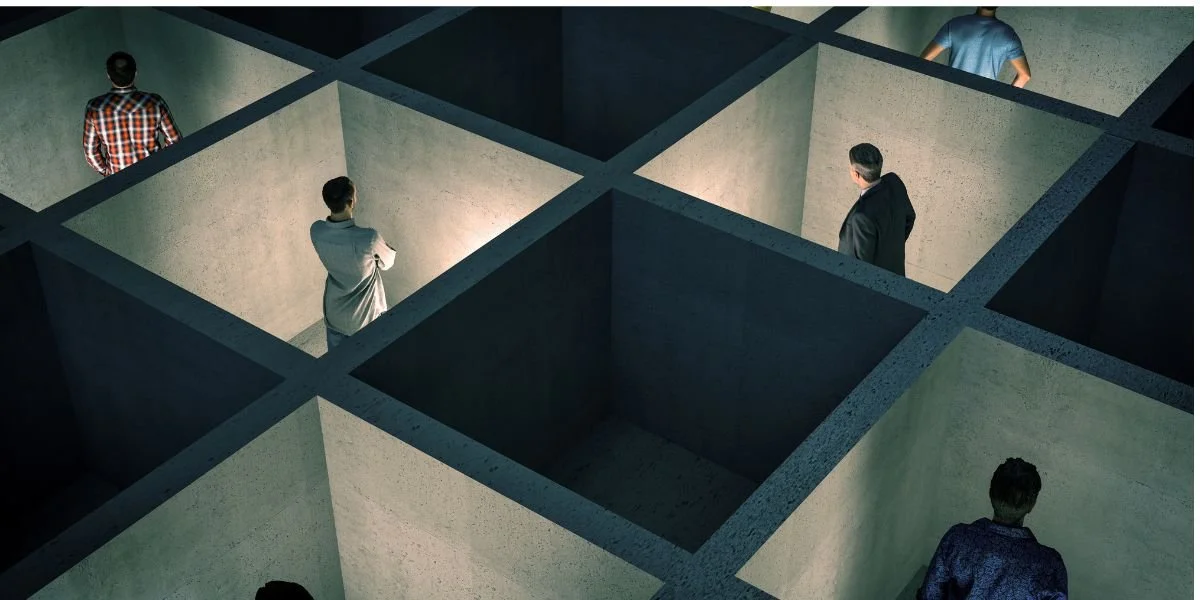




Insomnia is a paradox. The more you try to fix it, either the worse it gets, or the more you feel dependent on the supplement, medication, gadget, ritual, or routine that seems to be temporarily helping in that moment. This insight - that the attempts to fix are often perpetuating the problem - was a big turning point in my healing process. The information was empowering: it was only in giving up control and accepting my reality as it was that I could regain my sleep back. Rather than react from a place of fear, I learned to address the fear layer by layer, until the worries about sleep no longer existed.
I have learned from my own experience and supporting others, that there are tangible steps one can take on the road to acceptance-based insomnia recovery. It often is not a dramatic, single moment of healing, but rather, involves shedding the layers of fear gradually.